Cute Fish Patterns
As an experienced designer and embroidery product reviewer, I often find myself evaluating new designs with a critical eye—especially when they’re intended for real-world use. Cute Fish Patterns is one such design that caught my attention. It’s charming, playful, and has clear potential for a range of applications, but it also comes with some considerations that every embroiderer should be aware of before jumping into a project.
The First Impression: A Playful and Adorable Design
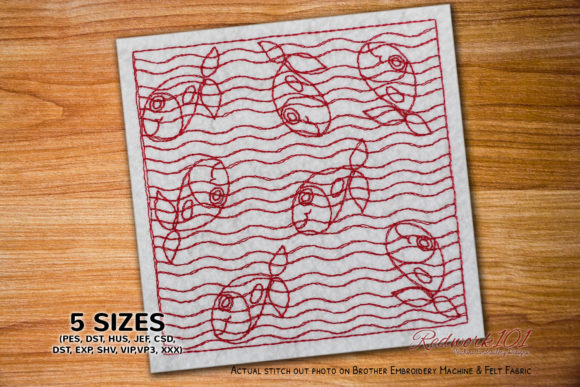
Cute Fish Patterns immediately evokes a sense of whimsy and lightheartedness. The design features a stylized fish, likely meant to be cute and appealing to children or those who appreciate a more casual, fun aesthetic. The layout is simple, with enough detail to make it visually engaging without being overly complex. The shape of the fish is rounded and friendly, which makes it ideal for items like baby clothes, tote bags, or personalized gifts.
It’s not a highly intricate design, so it works well for beginners or as a quick project. However, its simplicity also means that it may not stand out in a crowded market unless paired with thoughtful color choices or creative placement on the fabric.
Real-World Embroidery Use Cases
When considering where to place Cute Fish Patterns, it’s important to think about the type of product and audience. This design would fit naturally on custom apparel like t-shirts, sweatshirts, or tote bags. It’s also a good choice for baby items, such as onesies or blankets, where a soft, approachable image is preferred.
Embroidered patches are another strong use case. The design’s size and shape make it suitable for small hoop sizes, though care must be taken to ensure that the details remain visible. For larger projects, like pillow covers or kitchen towels, the design can serve as a decorative accent without overwhelming the fabric.
For craft businesses and Etsy sellers, Cute Fish Patterns could be a valuable addition to a collection of digital embroidery files. It’s versatile enough to be used in a variety of products, from holiday gifts to boutique merchandise. However, the success of the design will depend on how it’s presented and marketed.
Where to Be Cautious
While Cute Fish Patterns is generally user-friendly, there are certain situations where it may not perform as well. On small hoop sizes, the design might feel cramped, especially if the fish is placed near the edge. This could lead to stitching issues or an uneven appearance.
Textured fabrics or thin, stretchy materials can also pose challenges. The design’s stitch density is moderate, but on delicate or unstable fabrics, it may not hold up as well. Dark fabrics may require a different thread color to ensure visibility, and layered garments could cause the design to appear less crisp.
Curved surfaces, like caps or hats, can also affect how the design looks after stitching. The fish shape might not sit as smoothly on a curved surface as it does on flat fabric. Additionally, areas with dense stitches or tiny lettering could become distorted if not handled carefully.
Impact on Visual Appeal and Customer Perception
Cute Fish Patterns has the potential to enhance the visual appeal of a finished product, especially when used on light-colored fabrics. The design’s clean lines and simple form make it easy to integrate into a cohesive look. However, on dark backgrounds, the contrast may need to be adjusted to maintain clarity.
From a customer perspective, this design is likely to be well-received for its charm and versatility. It’s a great option for personalized gifts or handmade products that aim to evoke a sense of playfulness. When used correctly, it can add value to a product, making it more desirable and increasing customer trust.
For small business owners and Etsy sellers, the design’s ability to fit into a variety of products makes it a practical choice. It can be used in printable mockups, digital product previews, or as part of a larger set of design assets. However, it’s essential to ensure that the design aligns with brand consistency and target audience preferences.
Practical Designer Notes
Before using Cute Fish Patterns in any project, it’s always a good idea to test the design on scrap fabric. This allows you to see how the stitch density, thread colors, and stabilizer work together. If the design includes a box stitch, as shown in the image, consider whether it adds value or detracts from the overall look.
Check the design’s compatibility with your embroidery machine and hoop size. Some designs may require adjustments for optimal results. Also, make sure to review the licensing terms if you plan to sell finished items or digital products. Even if the product description doesn’t specify these details, it’s best to verify them before proceeding.
For commercial embroidery projects, consider how the design will hold up under frequent washing. Stabilizers can help prevent distortion, and proper thread selection ensures that the design remains vibrant over time. Whether you’re creating a handmade product or a small shop merchandise item, attention to detail can make all the difference.
Final Thoughts
Cute Fish Patterns is a design that offers both charm and practicality. It’s well-suited for a range of embroidery projects, from baby clothes to custom apparel, and it has the potential to be a valuable asset for crafters and small business owners. However, like any design, it requires careful consideration of fabric type, hoop size, and stitching technique to achieve the best results.
If you’re looking for a fun, easy-to-use design that can be adapted to multiple products, Cute Fish Patterns is worth exploring. Just remember to test it thoroughly and keep the end user in mind. With the right approach, this design can bring joy and creativity to your next embroidery project.