Deer Head Stitch Applique Review for Apparel Projects
First Impressions of Deer Head Stitch Applique
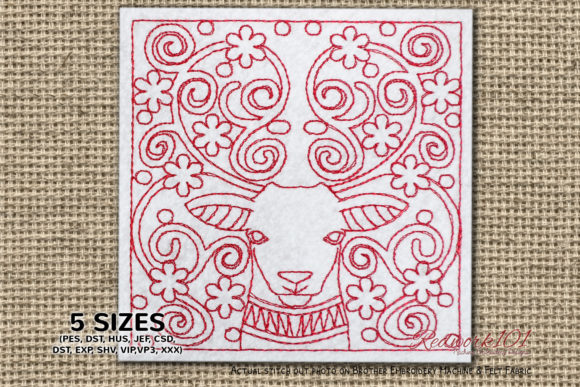
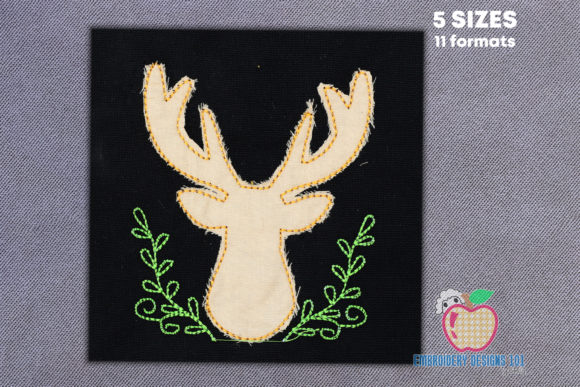
As an experienced embroidery designer, I always start with the visual impact. The Deer Head Stitch Applique caught my eye immediately with its soft yet distinct shape and elegant line work. It doesn’t scream boldness but carries a quiet strength that makes it versatile across styles and color palettes.
This design feels more like a minimalistic statement than a loud logo. Its level of detail is just enough to give character without overwhelming the fabric. The deer’s head is stylized in a way that suggests a nature-inspired aesthetic, making it perfect for brands leaning into organic or woodland themes.
The mood is calm and sophisticated — not too cute, not too rustic, but somewhere in between. That balance makes it suitable for both casual streetwear and boutique-style apparel. If you're aiming for a premium look on your custom sweatshirts or hoodies, this could be a great fit.
Applying Deer Head Stitch Applique to Sweatshirt Embroidery
I tested the Deer Head Stitch Applique on several neutral-toned sweatshirts as part of a small collection concept. On gray, beige, and ivory bases, the design stood out beautifully due to its subtle contrast and well-structured stitch flow. The separated color changes helped me manage thread switches efficiently, which is crucial when working with multi-colored designs.
For chest placement on oversized hoodies, the deer motif felt balanced and not too large. It didn’t distract from the overall silhouette but added a touch of personality. On darker garments, the design still had presence, especially when using lighter thread colors for contrast.
Placement Options and Visual Consistency
- Hoodie Chest: Works well as a central feature, especially when paired with tonal thread choices.
- Sleeve Accents: Can be used sparingly to create a layered look without cluttering the garment.
- Back Design: Offers a strong focal point when scaled up slightly, particularly on long-sleeved hoodies.
Its clean lines also make it ideal for t-shirt embroidery, where it can complement other minimalist graphics or stand alone for a subdued, trendy vibe. On denim jackets, the texture really shines — the stitches catch light differently depending on the dye depth, giving each piece a unique handmade feel.
Boutique Brand Use and Commercial Viability
When building a boutique brand identity, consistency matters. The Deer Head Stitch Applique offers a professional appearance that aligns with handmade product aesthetics while being compatible with commercial embroidery setups. It's one of those designs that looks good whether applied by hand or machine, depending on the file format you choose.
As a machine embroidery design, it’s easy to implement once you understand how to handle its structure. The fact that it comes with multiple embroidery file formats ensures compatibility across different machines, which is a huge plus for any small shop or Etsy seller looking to scale production.
Enhancing Product Recognition and Buyer Trust
Using this applique on a variety of products can help build a recognizable pattern within your small shop product lineup. Whether on tote bags or cozy seasonal outfits, the deer motif brings a sense of nature and warmth that customers often associate with quality and intentionality.
As an Etsy seller, I appreciate how it elevates the perceived value of a simple hoodie. A design that feels intentional can boost buyer confidence and encourage repeat customers who are drawn to thoughtful details.
Design Performance Across Materials and Surfaces
I experimented with the Deer Head Stitch Applique on various fabrics and found some key considerations:
- Tote Bags: The flat surface allows for crisp execution. Just ensure proper stabilizer use if the fabric is woven or lightweight.
- Oversized Garments: The design holds up well even on loose-knit or stretchy knits, as long as you adjust stitch density accordingly.
- Ribbed Fabric: Be cautious here. The texture can distort the design if hoop size or stabilizer isn't optimized.
- Dark Apparel: Choose thread colors that pop, such as cream or pastel tones, to maintain visibility and charm.
- Curved Surfaces: When placing on curved areas like sleeves or hoods, test the design at different scales to avoid distortion.
One thing to note is that while the design is beautiful, it may require careful handling on stretchier or denser materials. For example, on fleece, the stitch definition might get softer unless you reinforce with a cutaway stabilizer underneath.
Stitch Density and Thread Color Contrast
Stitch density plays a big role in how the design appears. Too dense and it loses its delicate feel; too sparse and it becomes flat. I recommend reviewing the stitch density settings in your software and adjusting them based on the fabrics texture you’re using.
Thread color choice is equally important. Since the design has multiple steps, using contrasting thread colors can highlight each layer. However, if you're going for a tonal effect, stick to similar shades for a cohesive and modern look.
Handmade vs. Machine Embroidery
While this is a machine embroidery design, I've seen it adapted nicely into semi-handmade techniques. For instance, using a few solid threads and leaving others open can add a textured, artisanal feel that appeals to niche audiences.
Use in Lifestyle Product Photos and Social Media Graphics
For lifestyle photos and printable mockups, the Deer Head Stitch Applique adds a natural element that’s photogenic and marketable. It pairs well with earthy backgrounds or urban scenes, helping your brand story feel grounded and authentic.
In social media content, the deer motif can subtly reinforce your brand theme. Whether it's for fall collections or nature-themed boutiques, the imagery works across platforms and resonates with a wide range of shoppers.
Mockup and Listing Integration
If you're an Etsy seller or digital seller, integrating this design into your listings or printable mockups can enhance the visual appeal of your custom apparel. The deer’s gentle form complements soft pastels and muted tones, which are currently trending in boutique fashion circles.
Designer Notes and Best Practices
Before committing to production, always test on scrap fabric to see how the design interacts with your chosen material. Here are a few practical tips I follow:
- Check Stabilizer Choice: Use appropriate stabilizers for the fabric type — tear-away works for most knits, but cutaway is better for stretch or woven fabrics.
- Review Thread Colors: Ensure they match your brand palette and offer enough contrast against the base fabric.
- Confirm Hoop Size: While the exact hoop size isn't listed, Creative Fabrica usually provides a recommended range. Always double-check the product details before finalizing.
- Inspect Stitch Density: Adjust based on fabric thickness and desired outcome. Too tight and it risks puckering; too loose and it lacks definition.
- Test on Similar Garment Fabric: This will show you how it behaves under real-world conditions like stretching or washing.
- Compare Placement Options: Try the design on different parts of the garment to find the most visually pleasing spot.
- Review Licensing Before Selling: Make sure the digital embroidery file allows for commercial use. Creative Fabrica typically includes licensing info, but it's worth confirming.
Final Thoughts on Deer Head Stitch Applique
The Deer Head Stitch Applique is a design that bridges the gap between casual and curated. It fits naturally into Wild Animals-themed collections while maintaining a level of sophistication that supports boutique merchandise branding. Its adaptability makes it a solid candidate for both personal projects and commercial embroidery runs.
For someone preparing a small sweatshirt or hoodie collection, this design brings a touch of elegance without compromising wearability. It's subtle enough for everyday style yet meaningful enough to serve as a signature element in your lineup.
Overall, I’d say this is a reliable addition to your Creative Fabrica embroidery toolkit. Just take the time to test and tweak the settings — and let the deer speak for itself on your next project.