Sad Ballerina Standing with Chair: A Timeless Embroidery Design for Craft Fairs
As an experienced embroidery designer, I’ve reviewed countless machine embroidery designs to determine which ones will truly shine at a craft fair or in a handmade market setting. One that recently caught my attention is Sad Ballerina Standing with Chair. This design carries a unique emotional weight and visual appeal that sets it apart from the usual cheerful or minimalistic patterns. Let’s dive into how this dance-themed embroidery file can perform across various products and what makes it a compelling addition to your booth display.
First Impressions: Emotion Meets Elegance
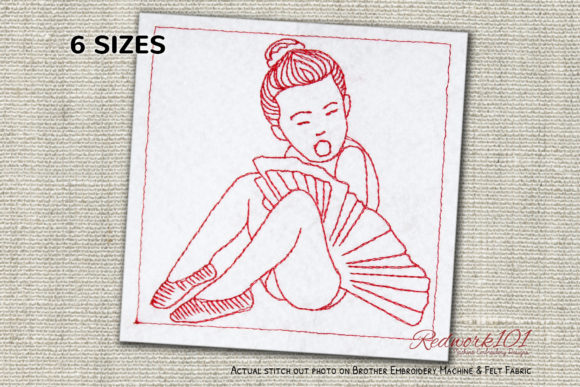
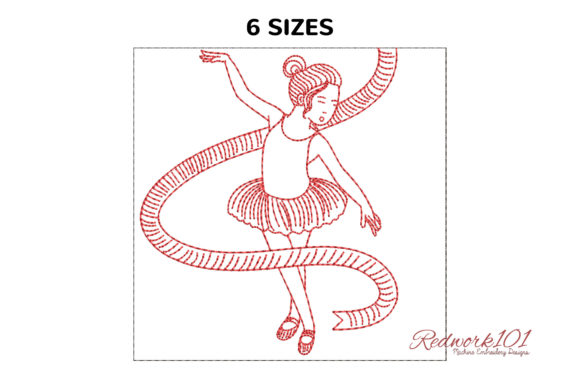
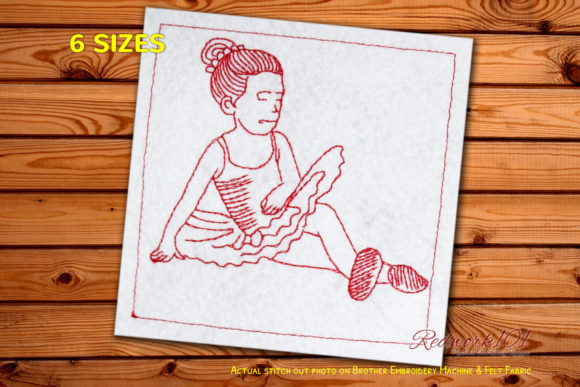
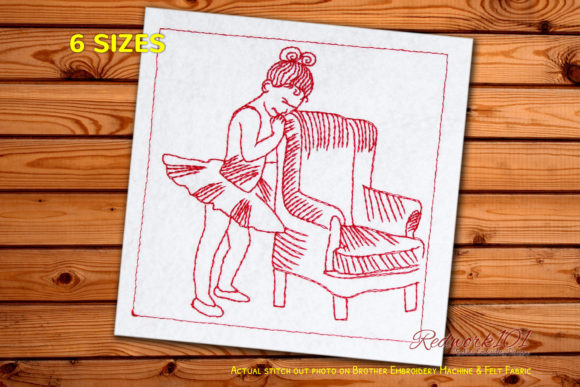
The title alone — Sad Ballerina Standing with Chair — evokes a sense of melancholy and grace. The imagery suggests a lone ballerina, perhaps mid-performance or in quiet reflection, paired with a chair that adds depth and narrative to the piece. Unlike bold or modern designs that shout for attention, this one invites viewers to pause and connect on a more personal level. It feels elegant, slightly whimsical, and has a storytelling quality that appeals to customers looking for meaningful handmade items.
Since the color of the outer box is different in most designs (unless it's part of the design itself), you have creative freedom to match it with your brand palette or product lineup. This flexibility is crucial when curating a cohesive yet varied booth selection.
Where Does Sad Ballerina Stand Out?
This design thrives on soft, textured fabrics where its delicate lines and subtle emotion can be highlighted. Here are some standout product applications:
- Tote Bag Design: The design becomes a focal point on cotton or canvas tote bags. Its graceful silhouette complements the practicality of a weekend bag while adding a touch of sophistication.
- Apron Embroidery: For farmhouse-style aprons, the Sad Ballerina offers a narrative twist. Customers who appreciate artisanal kitchen wear may find this emotionally resonant.
- Tea Towel Embroidery: When placed centrally on linen or muslin tea towels, the design brings a decorative, artistic flair to everyday kitchen items.
- Embroidered Patch: A small patch version could work beautifully as an accessory detail on denim jackets or messenger bags, especially for niche markets like vintage lovers or boutique shoppers.
- Fabric Pouches and Pillow Covers: These smaller, decorative items benefit from the design’s elegance. They’re perfect for gift-giving and can easily become impulse buys at your booth.
- Market Bags: Large, sturdy fabric bags provide enough space for the full expression of the design, making them ideal for showcasing the intricate details of the ballerina and chair.
For Etsy sellers and digital sellers, this design can also be sold as a digital embroidery file, especially if you package it with printable mockups showing how it looks on various items. This approach allows customers to visualize the finished product before purchasing.
Practical Considerations for Production
When considering batch production, the key is to ensure the design remains clear and impactful even at smaller sizes. While the larger versions of Sad Ballerina Standing with Chair look stunning, you’ll want to test how well the tiny details hold up when scaled down for patches or cap embroidery.
Stabilizer choice is critical here due to potential dense stitch areas. Using a medium-weight cutaway stabilizer on woven or stretchy fabrics will help maintain the integrity of the design during stitching. Always confirm hoop size requirements, as oversized hoops can distort the shape of the chair or the ballerina’s posture.
Thread colors should be carefully selected to enhance the mood. Soft pastels might emphasize the sadness subtly, while darker tones could give it a more dramatic feel. Since the Box Stitch shown in picture is optional, consider whether including it adds value or not based on your target audience and the type of product being made.
Photography and Online Listings
If you're planning to sell online or via Etsy listings, the design photographs exceptionally well. The contrast between the ballerina and the chair — especially when the outer box is omitted or customized — helps draw the eye in professional shots. Use natural lighting to highlight the stitch density and thread texture, which contribute to the perceived handmade quality of the final product.
Creating a real-life mockup of the design on a tote bag or pillow cover before listing is essential. This gives customers a true-to-life view of how the design translates from a digital embroidery file to a physical item. For printable mockups, include variations with and without the box stitch to showcase customization options.
Customer Engagement and Booth Display Strength
At a craft fair booth, this design has the potential to spark conversation. Its emotional tone stands out among bright, playful patterns, offering a moment of connection with those who appreciate artful storytelling. Positioning it on a large tote bag or pillow cover near the entrance can act as a visual anchor, drawing buyers closer to explore other craft fair products.
It also enhances brand consistency if your collection leans towards romantic or nostalgic themes. Pair it with muted tones and classic styles to create a curated look that feels intentional and premium.
Repeatable for Batch Production?
Yes, but with care. The design isn’t overly complex, so it can be repeated on multiple products within a line. However, because of the potential for dense stitching, always test it on scrap fabric first. Check for any areas where stitches might bunch or pull, especially if you're using textured towels or thick canvas. Make sure the spacing between elements allows for clean, repeatable placement on items like tea towels or market bags.
Also, note that the chair and ballerina might lose clarity on dark fabrics or very small caps. If you plan to use it on curved surfaces like baseball caps, adjust the design accordingly and verify that all parts remain legible after embroidery.
Designer Notes: Before You Begin
- Test on Scrap Fabric: Always run a trial stitch to see how the design behaves on your chosen material.
- Check Thread Contrast: Ensure the colors pop against the background fabric, especially for visibility in photos and in person.
- Review Spacing: Leave adequate margins around the design to avoid overcrowding and maintain a polished look.
- Confirm Hoop Size: Don't assume; check the recommended hoop dimensions to prevent distortion.
- Inspect Stitch Density: Look for areas where the embroidery might require extra support or thinner thread to avoid bulkiness.
- Use the Right Stabilizer: Depending on your fabric, choose a stabilizer that prevents puckering and supports the design’s structure.
- Create Real Mockups: A tangible example helps customers envision the design in their own homes or wardrobes.
- Compare Fabric Colors: Test the design on several hues to see which best highlights its features and aligns with your brand.
- Confirm Commercial Licensing: As a commercial embroidery seller, it’s vital to verify that you have the proper rights to produce and sell the finished product.
Final Thoughts on Sad Ballerina Standing with Chair
Sad Ballerina Standing with Chair is a design that balances beauty with practicality. Whether used as a bold statement on a tote or a subtle accent on a pouch, it adds emotional depth and visual interest to your handmade offerings. Its versatility across products like aprons, tea towels, and embroidered caps makes it a valuable asset for both small shop product lines and high-end handmade gifts.
By understanding the nuances of this machine embroidery design and applying thoughtful production techniques, you can turn it into a standout feature of your next craft fair display. Just remember to handle the stitch density and fabric choices with care, and always prioritize testing before moving into mass production.