Bulldozer Embroidery Design: A Practical Take for Real Projects
As an embroidery designer and product reviewer, I’ve seen countless machine embroidery designs come through my hoop. Some are flashy but impractical; others feel just right from the first stitch. Bulldozer is one of those designs that immediately caught my attention—not just because of its subject matter, but how it translates into real-world applications.
First Impressions: Bold and Ready to Move
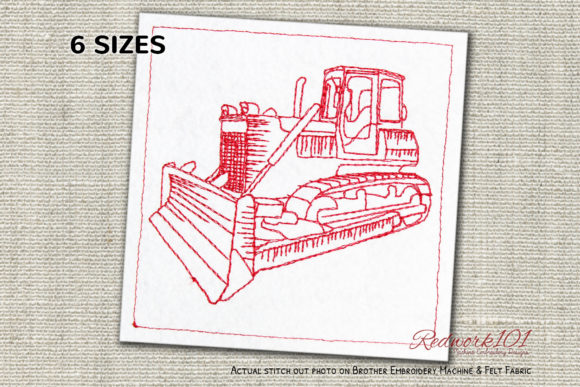
The Bulldozer Bluework Embroidery design brings a strong sense of motion and mechanical strength. The shape is clear and well-defined, with a silhouette that speaks volumes without being too intricate. It’s got a visual personality that’s both rugged and approachable, making it suitable for a range of handmade products and commercial items alike.
I noticed right away that the detail level is balanced—enough to give the bulldozer character, but not so dense that it becomes a nightmare to stitch. The layout feels intentional, with smooth curves on the tracks and blade, and consistent spacing between elements. This kind of thoughtful structure is what makes a design easy to adapt across different projects.
Real-Life Application: Custom Tote Bags and More
Let’s say you’re creating a custom embroidered tote bag for a construction-themed gift or a personalized baby item with a playful twist. Bulldozer fits right in. Its bold lines and optional box stitch around the perimeter offer flexibility—you can choose whether to frame it or let it stand alone.
I tested it on a cotton-polyester blend sweatshirt using a standard satin stitch for the outlines and fill stitches for the body. The result was clean and professional, with no noticeable distortion even after stretching the fabric slightly. For tote bags, the design works especially well when placed near the top seam, where it doesn’t interfere with seams or pockets.
Where It Shines
- Custom Apparel: Sweatshirts, t-shirts, and even caps look great with this design when sized appropriately.
- Handmade Products: Think aprons for DIY lovers or embroidered patches for jackets and backpacks.
- Commercial Use: Ideal for small shop merchandise, boutique branding, or Etsy sellers looking to add a touch of personality to their listings.
- Printable Mockups: The design looks sharp in digital previews, helping buyers visualize the final product before purchase.
Design Notes: What Works and What to Watch For
One thing I appreciate about Bulldozer is the note that the outer box stitch is optional. That gives me more creative control depending on the project. For example, if I’m working on a holiday gift like a festive throw pillow or a nursery decor piece, skipping the box stitch keeps the look modern and uncluttered.
However, there are a few scenarios where I’d use caution. On textured fabrics like denim or canvas, the fine details might get lost unless you adjust the stitch density. Also, if you're embroidering on stretchy materials such as spandex blends or lightweight knits, the design may pucker slightly unless you use proper stabilizer underneath.
Stitch Clarity and Fabric Choice
In terms of stitch clarity, the design handles corners and transitions smoothly. The blade and tracks have a nice contrast when stitched with light thread colors on dark backgrounds, but I recommend always testing the thread color contrast before committing to a production run.
For holiday gifts or personalized products, pairing Bulldozer with complementary text or other transportation-themed elements could enhance the overall aesthetic. Just make sure the text isn’t too small—this design deserves space to breathe.
Practical Tips for Embroidery Designers and Makers
- Test on scrap fabric first: Especially important if you're planning to sell finished products or digital files.
- Check thread color options: Some colorways might not show up well on certain fabrics. Always compare against your chosen background.
- Review stitch density: If you notice any puckering or unevenness during test stitching, adjust accordingly.
- Confirm hoop size: Larger designs require bigger hoops. Don’t assume—check the file's requirements.
- Inspect small details: Even though the design isn’t overly complex, subtle features like rivets or textures can affect the final outcome.
- Use black and white mockups: These help you evaluate how the design will look on different colored garments or backgrounds.
- Compare on light vs. dark fabric: The visibility of the design can vary dramatically depending on the base material.
- Use proper stabilizer: Especially on thin or stretchy materials to maintain the integrity of the image.
- Verify licensing: If you plan to sell finished items or digital embroidery files, ensure you have the appropriate rights to do so.
Visual Appeal and Brand Consistency
Bulldozer adds a layer of professionalism and charm to any embroidered patch or apparel piece. When used correctly, it enhances the product value and helps build customer trust. People recognize good craftsmanship, and this design supports that reputation when executed properly.
For Etsy sellers and craft business owners, consistency is key. If you’re building a line of handmade products with a specific theme, like machinery or urban life, Bulldozer serves as a strong visual anchor. It’s versatile enough to fit into a variety of styles while maintaining a cohesive look across your collection.
Giftability and Project Fit
This design has a natural home in personalized gifts and small shop product offerings. Whether it’s a baby blanket with a cute bulldozer motif or a set of kitchen towels for a new homeowner, the design’s versatility allows it to be adapted for both whimsical and serious purposes.
It also works surprisingly well in nursery decor when softened by pastel threads or paired with softer elements like clouds or tiny trees. The contrast between the bold bulldozer and delicate accents can create a unique, eye-catching combination.
When to Avoid
While Bulldozer is a solid choice for most projects, it’s not perfect for everything. Here are a few situations where I’d advise careful consideration:
- Small hoop sizes — some details may become too tight or lose definition.
- Dark fabric — the design may appear less vibrant unless thread colors are carefully selected.
- Layered garments — stitching through multiple layers can lead to bulkiness or misalignment.
- Dense stitch areas — these can cause stiffness or damage to the fabric if not stabilized properly.
If you're working on a curved surface like a cap or hat, I’d suggest resizing the design or rotating it to follow the contour naturally. Otherwise, it might look awkward or stretched.
Final Thoughts for the Craft Community
Overall, Bulldozer is a reliable machine embroidery design that stands out without being overdone. It’s got enough character to make a statement, yet remains adaptable for both personal and commercial use. As someone who regularly reviews embroidery files, I find it refreshing to see a design that balances creativity with practicality.
It’s not just about how the design looks in the preview—it’s about how it behaves under the needle, on the fabric, and in the hands of customers. Bulldozer passes all those tests with flying colors, as long as you respect the limitations of fabric type, hoop size, and stitch density.
So if you're an apparel decorator, digital product seller, or creative entrepreneur, consider this design for your next project. Just remember to test, stabilize, and tailor it to your intended use. With the right preparation, Bulldozer can become a standout feature in your design assets and a favorite among your customers.