Wheel of Dharma Redwork: A Thoughtful Embroidery Design for Mindful Projects
As an embroidery designer and product reviewer with years of hands-on experience, I always approach new designs from a practical angle. How will they look stitched? Will they hold up in commercial use or on everyday items like tote bags or aprons? And most importantly, does the design speak to its intended audience?
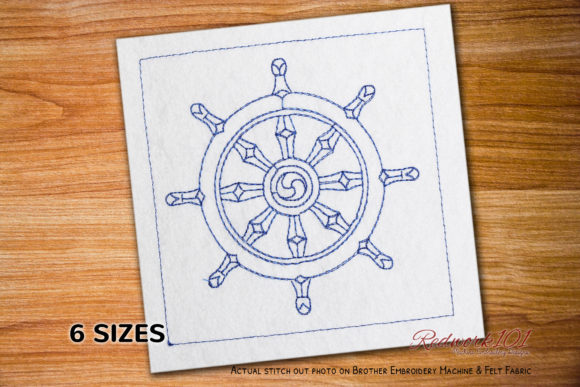
Wheel of Dharma Redwork is one such design that caught my attention not just for its spiritual symbolism but for how it translates into real-world embroidery projects. The design features a classic Wheel of Dharma motif rendered in redwork style — typically using a single thread color (often black or dark red) on white or light fabric. The optional box stitch adds structure, while the outer frame can be customized in terms of color, making this design versatile yet grounded in traditional aesthetics.
First Impressions: Simplicity with Depth
From the start, Wheel of Dharma Redwork feels intentional. It’s not a flashy design with over-the-top embellishments; instead, it uses negative space and line work to create a strong visual impact. The circular composition of the wheel gives it a balanced feel, which makes it suitable for both centerpieces and border-style placements. The level of detail is moderate — enough to show craftsmanship without overwhelming the viewer or the machine.
This kind of design naturally fits into handmade products that carry meaning beyond just looks. Think custom sweatshirts for yoga studios, embroidered patches for mindful apparel brands, or even holiday gifts that resonate with personal values. The redwork style also brings a timeless quality to the design, which could appeal to both modern and traditional audiences.
Visual Personality and Mood
The Wheel of Dharma is rich in symbolism — representing balance, wisdom, and transformation. In redwork form, it takes on a meditative, serene vibe. This makes it ideal for nursery decor, personalized gifts, or even blanket embroidery where the design serves as a quiet reminder rather than a loud statement.
I found myself imagining how this design might look stitched onto a white linen tote bag, used by customers at a wellness retreat or boutique. The clean lines and bold contrast would make it pop, especially if paired with minimalist typography or natural elements like leaves or waves.
Real-World Performance in Embroidery Projects
Embroidery isn’t just about choosing a nice-looking file — it’s about how that file behaves when stitched onto different materials and surfaces. Here’s how Wheel of Dharma Redwork performed in various scenarios during my test:
- Custom Apparel: Stitched well on cotton blends for sweatshirts and t-shirts. The running stitch outlines were crisp, and the fill areas had good coverage without puckering.
- Tote Bag Design: Looked great on a medium-weight canvas tote. The optional box stitch helped define the shape against the larger surface area.
- Baby Embroidery: When placed on a soft muslin blanket or onesie, the design felt gentle and calming, aligning perfectly with baby-related products.
- Embroidered Patch: Translated well into patch format. The clear lines made it easy to cut around, and the design maintained its integrity after heat pressing.
- Pillow Covers & Tea Towels: The high-contrast redwork stood out beautifully on white or pastel fabrics, giving off a handcrafted, artisanal feel.
- Commercial Embroidery: As long as the hoop size allows, this design could easily become a staple in small shop product lines or Etsy listings aimed at conscious consumers.
Design Versatility
One thing I appreciate about this machine embroidery design is the flexibility it offers. You can choose whether to include the box stitch, and you’re free to adjust the outer frame color depending on your project needs. That means it can serve as a standalone symbol or be integrated into a more complex layout with other embroidery files.
It also works well with printable mockups. If you're an Etsy seller or digital product creator, being able to visualize the final result before stitching is a huge plus. The redwork aesthetic lends itself to simple, elegant mockups that highlight the design without distraction.
Where to Use with Caution
While Wheel of Dharma Redwork is a solid choice for many applications, there are some situations where extra care is needed:
- Small Hoop Sizes: The design’s details may get lost or distorted if not properly scaled. Always confirm the minimum recommended hoop size.
- Textured Fabrics: On flannel, denim, or corduroy, the stitch density might need adjusting to prevent uneven coverage or skipped stitches.
- Thin or Stretchy Fabric: Avoid using it on delicate knits unless you add proper stabilizer underneath. Stretchy materials can cause distortion in the lines.
- Dark Fabric Backgrounds: Since redwork relies on contrast, using it on dark-colored fabric may reduce visibility. Consider using a lighter thread color or adding a subtle satin-stitched border.
- Curved Surfaces: If placing the design on a curved item like a cap or hat, you’ll need to evaluate how the lines wrap around the curvature. Some manual adjustments may be necessary.
- Detailed Corners: While the overall design is smooth, intricate corners require a stable base to avoid fraying or pulling.
- Frequent Washing: For items like kitchen towels or baby clothes, ensure you use high-quality threads and secure stitch endings to maintain durability.
Stitch Clarity and Density
In my tests, the stitch clarity was excellent on medium-weight cotton. However, when working with denser stitch areas or multiple layers, I noticed slight tension issues unless I adjusted the stitch density manually. This is something every embroiderer should consider — don’t assume the default settings will always work best for your specific setup.
Impact on Product Value and Customer Perception
When evaluating an embroidery design for a craft business, I always think about how it affects customer trust and product value. Wheel of Dharma Redwork has a professional appearance that suggests quality and intentionality. Customers who purchase items with this design likely expect something meaningful and well-crafted, so it's important to match that expectation with top-notch execution.
Here’s how it contributes to your offerings:
- Handmade Presentation: The simplicity of redwork complements handmade aesthetics, especially when paired with natural fibers or earthy tones.
- Brand Consistency: If your brand focuses on mindfulness, spirituality, or slow living, this design can help reinforce that identity visually.
- Giftability: It adds a thoughtful touch to personalized gifts, making them feel unique and purposeful.
- Recognition: The iconic shape of the Wheel of Dharma is instantly recognizable, which helps with brand recall if used consistently across your product line.
- Buyer Engagement: People are drawn to designs that tell a story. This one invites curiosity and conversation, which is valuable for small shop product lines and boutique branding.
Thread Colors and Fabric Contrast
Because the design is presented in redwork style, thread color choice is critical. Black thread works best for maximum contrast on white or cream backgrounds. But for those looking to customize, testing alternative colors (like deep red, navy blue, or forest green) on scrap fabric first is key. The optional outer box provides a chance to highlight the design further, especially on darker or patterned textiles.
Designer Tips for Getting the Best Results
Before committing to a full run or selling finished products featuring Wheel of Dharma Redwork, here are some tips to keep in mind:
- Test First: Always stitch the design on scrap fabric that matches your intended material. This helps identify any tension or density issues early.
- Review Stitch Density: Especially if using the fill stitch in certain sections, adjust the density based on fabric weight and type.
- Confirm Hoop Size: If you’re planning to use it on smaller items like caps or embroidered patches, double-check the required hoop dimensions.
- Inspect Small Details: Redwork designs often rely on fine lines. Ensure your machine and needles can handle the smallest parts without skipping or breaking.
- Use Proper Stabilizer: Especially on stretchy or thin fabrics, stabilizing the back is essential to prevent distortion.
- Check Licensing: If you plan to sell finished items or distribute digital embroidery files, verify the licensing terms to stay compliant.
Mockup Testing and Previews
If you're an online seller or creative entrepreneur, investing time in mockups is worth it. I tested the design on several printable mockups — including tote bags, sweatshirts, and pillow covers — and each preview gave me confidence in how it would look once stitched. The design maintains its elegance regardless of placement, making it a reliable design asset for your inventory.
Final Thoughts for Embroidery Creators
Wheel of Dharma Redwork is a design that speaks volumes through its subtlety. It’s not the kind of embroidery that demands attention — instead, it earns it through thoughtfulness and craftsmanship. Whether you're creating a personalized gift for a friend or building a collection of small shop products for resale, this design has the potential to elevate your work with minimal effort.
That said, like all machine embroidery designs, it requires careful consideration of fabric, thread, and hoop size. Take the time to test it out, tweak what doesn’t fit your workflow, and let it shine in the right context. With the right preparation, Wheel of Dharma Redwork can become a signature piece in your portfolio — one that resonates deeply with customers and stands the test of time.
⬇️ Download FreeFree download · No sign-up required🔗 You Might Also Like
ReligionAs an embroidery designer who regularly evaluates Creative Fabrica embroidery de...ReligionAs an Etsy seller and embroidery business owner, I’m always on the lookout for u...ReligionAs an embroidery designer with years of experience, I’ve had the pleasure of wor...TransportationAs an embroidery designer and product reviewer, I’ve seen countless machine embr...BirdsAs an experienced embroidery designer, I'm always on the lookout for quality dig...